October 30, 2026
Carpet adds warmth, comfort, and style to a home, but daily foot traffic can gradually affect its appearance and condition. Soil and sand are two common sources of carpet damage because they can become trapped deep within the fibers, even when the surface looks relatively clean. Over time, these particles can contribute to discoloration, worn patches, and a rough texture that makes carpeting look older than it really is. Regular maintenance and professional care can help prevent these problems from becoming more noticeable.
Understanding how dirt and sand affect carpet fibers is an important part of protecting your flooring investment. While vacuuming removes much of the loose debris, some particles settle beneath the surface, where they can cause continued wear. Working with a professional carpet cleaning service can help remove embedded soil and maintain the appearance of your carpet. By learning how these materials accumulate, recognizing the warning signs of damage, and following a consistent cleaning routine, homeowners can keep their carpets looking better for longer.
Understanding How Soil and Sand Enter Carpet Fibers
Soil and sand enter homes in several ways, including through shoes, pets, open windows, and outdoor activities. Every time someone walks across a carpet, small particles can fall from footwear and clothing. Pets may also carry dirt inside on their paws and fur, while dust and debris can enter through open doors and ventilation systems. Although these particles may seem harmless, their repeated accumulation can gradually affect carpet fibers.
Carpet construction makes it particularly easy for debris to become trapped. The spaces between individual fibers and the backing can collect particles that ordinary surface cleaning does not completely remove. Larger pieces of dirt may remain near the top, while fine soil and sand can work their way deeper into the carpet. Once embedded, these materials can be difficult to extract without appropriate equipment.
High-traffic areas, such as entryways, hallways, living rooms, and stairs, tend to collect more debris than less frequently used spaces. These areas often experience repeated contact with shoes and other sources of outdoor dirt. Without regular maintenance, accumulated particles can contribute to uneven wear and a visibly dull appearance.
Examining How Abrasive Particles Wear Down Fibers
One of the most significant ways sand damages carpet is through abrasion. Sand particles often have hard, irregular surfaces that can rub against carpet fibers as people walk across them. Each step creates movement between the fibers and the particles trapped inside the carpet. Although an individual step may have little noticeable effect, thousands of repeated movements can gradually wear down the material.
This process is similar to the effect of fine grit rubbing against a finished surface. The particles create friction that can roughen fiber surfaces, weaken delicate strands, and contribute to the loss of their original texture. Depending on the carpet material, the damage may appear as fuzziness, thinning, or a worn-down finish.
Different carpet fibers respond to abrasion in different ways. Nylon, polyester, wool, and other materials have distinct characteristics that influence their durability and cleaning requirements. However, no carpet is completely immune to wear caused by embedded grit. A professional carpet cleaning service can help remove abrasive debris before it continues contributing to unnecessary fiber damage.
Recognizing How Embedded Dirt Changes Carpet Appearance
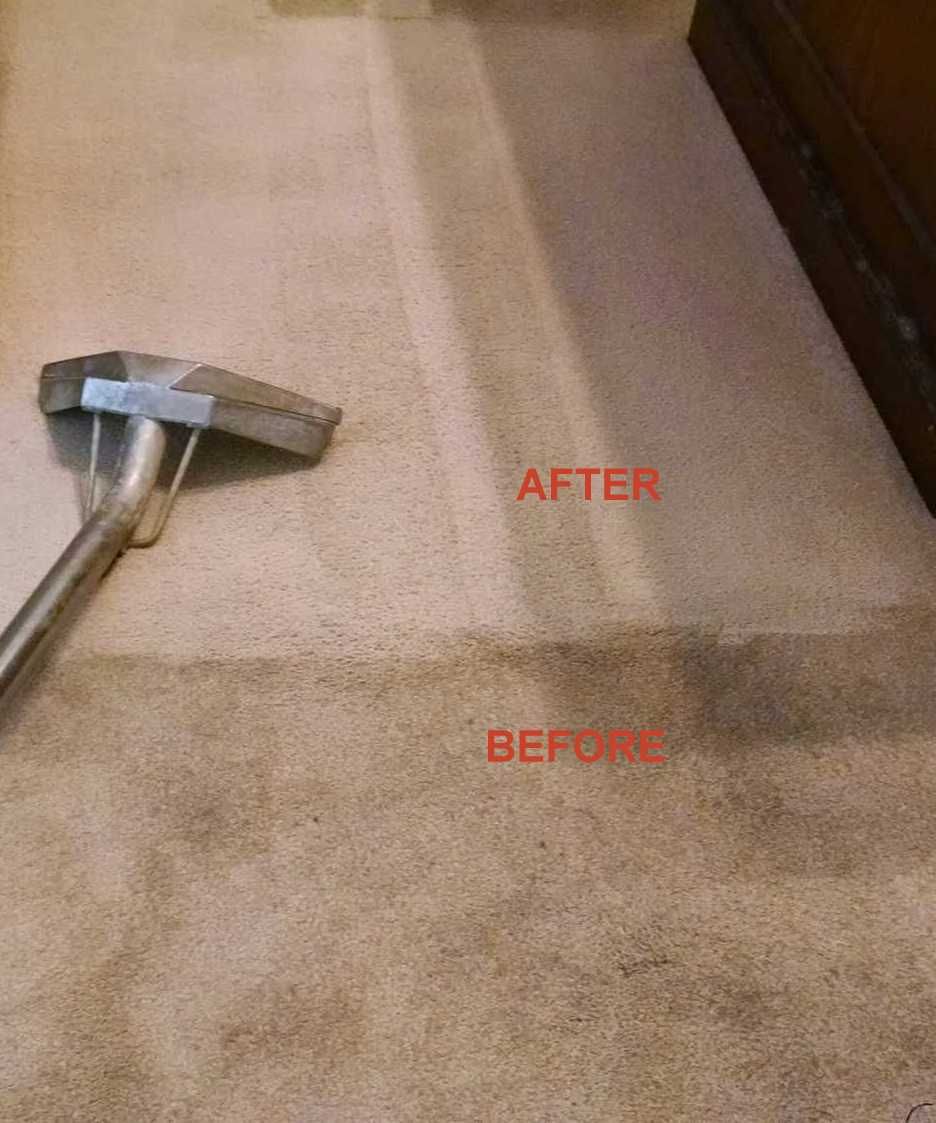
Soil does more than make carpet look dirty. Fine particles can settle between fibers, creating a gray or dingy appearance that becomes increasingly difficult to correct through routine vacuuming alone. Light-colored carpeting may show this buildup particularly clearly, while darker materials can hide debris until the accumulation becomes substantial.
As soil builds up, carpet fibers may also lose some of their natural sheen and definition. Fibers that once looked soft and uniform can begin to appear matted, uneven, or lifeless. In areas where people frequently walk, the pile may become compressed and develop visible paths that contrast with the surrounding carpet.
Some discoloration may result from substances carried in with soil, including oils and other residues. These materials can bind to carpet fibers and make particles more difficult to remove. In certain cases, repeated foot traffic can push the residue farther into the carpet, increasing the challenge of restoring its appearance.
Regular cleaning helps address these issues before they become more pronounced. Vacuuming removes loose debris, while professional cleaning methods can target particles and residues that remain embedded. A qualified carpet cleaning service can also assess the carpet's material and condition to determine an appropriate cleaning approach.
Identifying Why High-Traffic Areas Suffer More Damage
Carpet damage from soil and sand is rarely distributed evenly throughout a home. Entryways, hallways, staircases, and frequently used living spaces generally experience more foot traffic, making them especially vulnerable to abrasive wear. These areas repeatedly collect dirt while also receiving the greatest amount of pressure and friction from walking.
When people step on carpet containing sand, their weight presses the particles against the fibers. As they continue walking, the particles move and rub against the surrounding material. This combination of pressure and friction can accelerate wear in busy areas compared with rooms that receive little use.
Furniture placement can influence how this damage develops, too. Heavy furniture may compress carpet fibers in specific locations, while frequently moved chairs can introduce additional friction. Dirt and sand beneath furniture or around its legs may also remain undisturbed for long periods, allowing debris to accumulate unnoticed.
Homeowners can reduce these risks by placing durable mats near exterior doors, removing shoes indoors, and cleaning high-traffic areas more frequently. Rearranging furniture occasionally may also help distribute everyday wear more evenly. For areas that receive substantial use, scheduling routine professional cleaning can help control embedded debris and preserve the carpet's overall condition.
Knowing When Professional Carpet Cleaning Helps
Even diligent homeowners may struggle to remove every particle of soil and sand with household equipment. Vacuuming primarily addresses loose debris that the machine can reach, while finer particles may remain embedded near the carpet backing. Over time, this buildup can contribute to persistent dullness, roughness, and visible traffic patterns.
Professional carpet cleaning services can help address accumulated debris using equipment and methods designed for deeper extraction. The appropriate technique depends on the carpet's fiber type, construction, condition, and cleaning recommendations. A trained technician can evaluate these factors and select a suitable process to remove soil while minimizing unnecessary stress on the material.
Professional care from a carpet cleaning service is especially useful when carpeting appears dirty shortly after vacuuming, develops persistent traffic lanes, or feels gritty underfoot. These signs may indicate that debris has accumulated beyond what regular household maintenance can effectively remove. However, cleaning cannot always reverse damage that has already occurred. Fibers that have been permanently worn, broken, or discolored may not return to their original condition.
Indoor air quality is another consideration when choosing carpet products and maintaining a clean home. According to the American Lung Association, when installing new carpet, homeowners should request that it be unrolled and aired out in a well-ventilated area, such as a clean, dry warehouse, for 72 hours before installation. Although this recommendation concerns new carpet and potential emissions rather than soil abrasion, it highlights the value of considering indoor environmental conditions when caring for flooring.
When routine maintenance cannot remove accumulated particles, professional care can help restore a cleaner appearance and reduce the amount of abrasive debris left behind. Brightway Carpet Cleaning can be part of a practical carpet maintenance routine that supports the cleanliness and longevity of your flooring. By combining everyday prevention with periodic professional attention, homeowners can help protect their carpet fibers and keep their living spaces comfortable and attractive for years to come. For a
carpet cleaning service you can rely on, contact us today.