August 31, 2026
A sudden spill on your living room floor rug can feel like an absolute disaster unfolding in slow motion before your eyes. Whether it is a glass of dark red wine, a bowl of rich tomato soup, or a messy pet accident, panic often takes over immediately. Most homeowners instinctually reach for the nearest cloth towel and start scrubbing violently with whatever household cleaner they find first. However, taking a deep breath and following a structured emergency response plan will save your floor coverings from permanent damage.
Every second counts when a fresh liquid or semi-solid substance impacts your indoor flooring materials. Quick action prevents harsh chemical dyes and organic compounds from bonding deeply with synthetic yarn or natural wool fibers. Understanding the fundamental chemistry of common household spills allows you to neutralize difficult stains long before they set forever into the material. Proper initial care makes the entire process of long-term carpet cleaning significantly easier and far more successful over time.
Before grabbing harsh commercial chemical sprays from your laundry room, you need to understand the basic mechanics of delicate fiber protection. Different fabric materials require distinct intervention strategies to prevent unsightly discoloring or structural breakdown. A measured, methodical approach ensures that you successfully resolve the emergency situation without creating a larger problem across the floor. Armed with the proper techniques, you can tackle almost any immediate stain crisis with confidence.
Assess the Damage Before Applying Chemicals
The first critical step in handling any liquid emergency is identifying the exact chemical composition of the offending substance on your rug. Household spills generally fall into distinct categories such as oil-based compounds, water-based liquids, organic matter, or artificial dyes. A cleaning solution that works wonderfully on grease will often set a protein stain like blood or fresh dairy permanently into the pile. Taking five seconds to analyze what hit your floor dictates every subsequent cleaning decision you make during the restoration process.
Furthermore, identifying your specific rug or textile material prevents accidental fiber damage during emergency spot treatment procedures. Delicate wool and silk demand gentle, low-pH solutions, whereas synthetic nylon and resilient polyester tolerate slightly broader treatment methods. Applying high-alkaline household detergents to delicate natural fibers can permanently strip natural oils and cause color bleeding across the pattern. If you are ever unsure about your material, standard carpet cleaning protocols dictate testing any mixture on a hidden patch first.
Finally, inspect the severity and total depth of the saturation before applying any liquid treatment formulas to the affected area. Small surface drips remain confined to the upper fibers, while large liquid volumes quickly soak straight into the underlying pad. Pushing moisture deeper into the backing creates a hidden reservoir for future mold growth and recurring wick-back stains later on. Recognizing deep saturation early helps you manage moisture levels correctly throughout the entire cleanup procedure.
Blot Spills Immediately Without Rubbing Fibers
When a heavy liquid lands on your floor, your immediate physical reaction determines whether the spot disappears completely or spreads across the room. The absolute most important rule of immediate stain response is to blot the area rather than scrub it aggressively. Scrubbing creates intense friction that frays delicate fiber tips and pushes heavy pigment deep into the structural core of the yarn. Always use a clean, dry white cotton towel or unprinted paper towel to absorb excess liquid effectively.
Work systematically from the outer edges of the spill inward toward the central point of primary impact. This inward movement prevents the liquid from spreading outward and expanding the total surface area of the stain across the floor. Apply firm, steady downward pressure with the palms of your hands to pull moisture straight up into your absorbent cloth. Routine carpet cleaning procedures emphasize that patience during the blotting phase saves hours of intensive restoration effort later.
Replace your blotting towels frequently as soon as they become saturated with the spilled liquid from the floor. Continuing to press a soaked towel back down onto the floor merely reintroduces the trapped pigments into dry surrounding fibers. Keep pressing fresh sections of clean cloth until no more transfer of liquid occurs onto the absorbent material. Only after removing all free-standing liquid should you consider adding targeted neutralizing cleaning mixtures to the spot.
Apply Safe Neutralizing Solutions Carefully
Once you absorb the free surface liquid, you must select an appropriate neutralizing agent tailored to the spill type. Cold water is always the safest starting point for organic fluids like blood, egg, or fresh dairy products. Heat must be avoided at all costs during early treatment because warmth coagulates proteins and bakes pigments permanently into textile fibers. A mild solution of clear dish soap and lukewarm water works exceptionally well for general food and beverage spills.
For alkaline or acidic stains such as pet urine or fruit juice, a diluted white vinegar solution helps balance the chemical pH level. Spray the mild solution lightly onto the affected area rather than pouring liquid directly from the bottle onto the floor. Over-saturating the floor creates excessive moisture that traps dirt and delays drying, hindering effective carpet cleaning outcomes in the process. Gently press a clean cloth into the treated area to absorb the solution along with the dissolved stain residue.
Baking soda serves as an excellent natural absorber for oily residual spots and persistent lingering organic odors. Dusting a light layer over a damp, blotted spot helps draw out remaining liquid through natural capillary action over several hours. Allow the absorbent powder to dry completely into a crust before vacuuming it away carefully with standard household cleaning equipment. Avoid using colored soaps or heavily scented laundry detergents, as their chemical additives frequently leave behind sticky residual films.
Seek Professional Assistance for Stubborn Blemishes
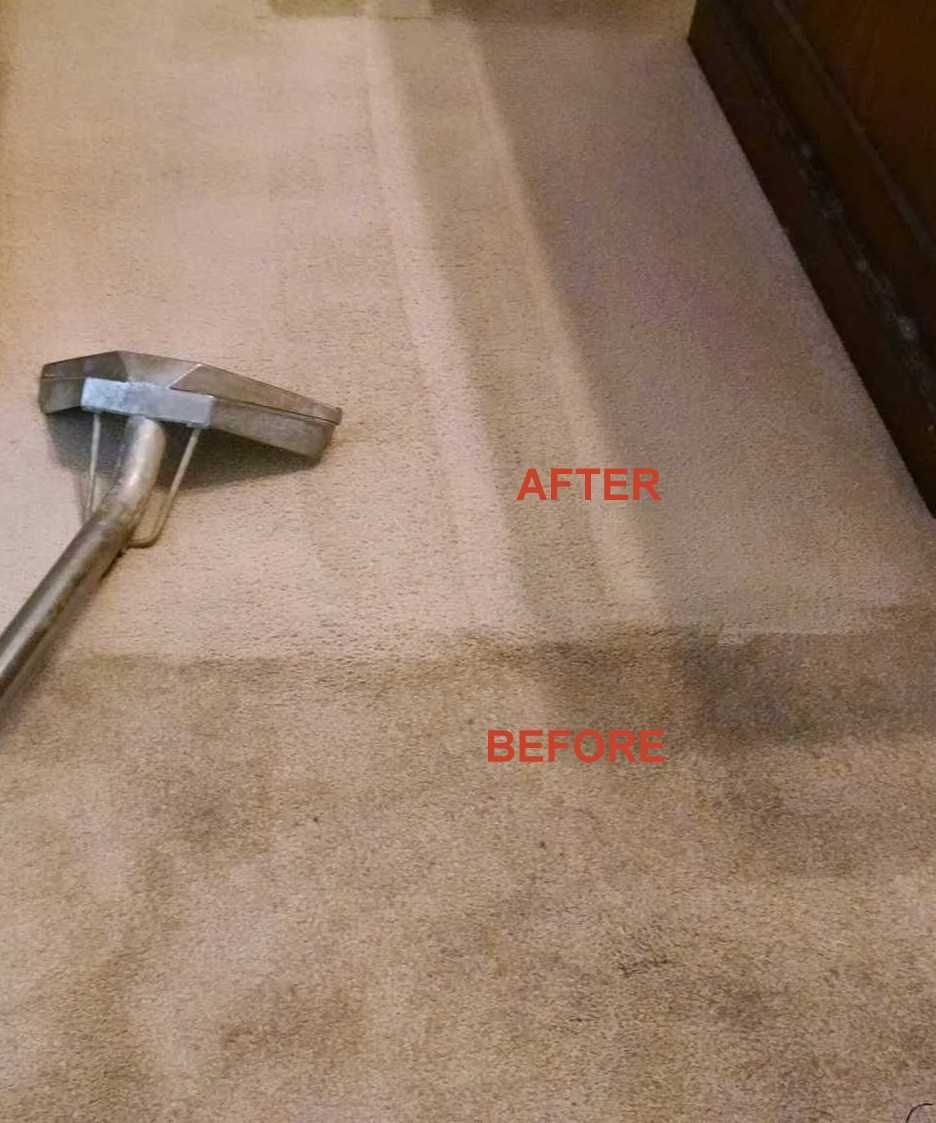
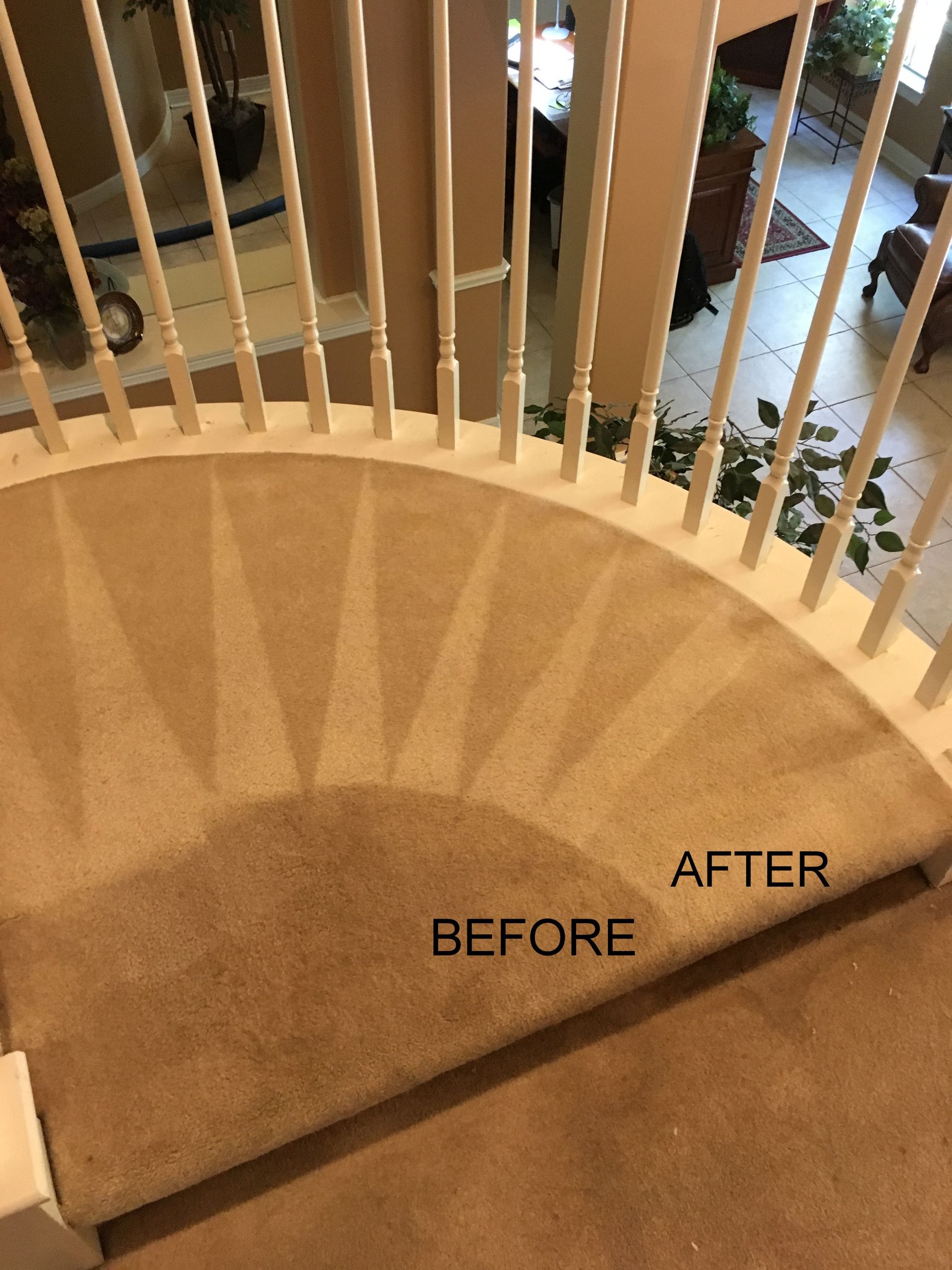
While immediate home remedies manage light surface spills, severe liquid saturation often requires industrial extraction tools. Specialized high-powered machinery removes deep-seated moisture and stubborn pigments that consumer vacuum units simply cannot reach effectively. According to Gitnux, truck-mounted hot water extractors represent 88% of professional carpet cleaning setups across the United States because of their superior extraction power. These heavy-duty systems flush out embedded contaminants without damaging underlying floor structures or carpet backing.
Knowing when to stop DIY efforts is crucial to preventing permanent cosmetic damage to your home textiles and rugs. Repeatedly applying different household chemicals can cause dangerous chemical reactions or permanently lock pigments deep into the yarn structure. If a stubborn spot remains visible after two gentle blotting treatments, continuing to scrub will only ruin the pile texture completely. Calling an experienced carpet cleaning specialist at this stage ensures your floor receives safe, restorative treatment from certified technicians.
Professional technicians possess specialized knowledge regarding dye transfer, fiber chemistry, and high-temperature moisture extraction techniques. They utilize balanced neutralizing formulas that dissolve tough stains without degrading delicate backing materials or carpet padding underneath. Attempting to force out set-in wine, ink, or chemical dyes without proper equipment usually results in irreversible discoloration and fiber loss. Investing in expert
carpet cleaning preserves your flooring investment and maintains healthy indoor air quality throughout your entire living space.
Handling unexpected household spills effectively comes down to acting fast, blotting gently, and using the correct neutralizing solutions. By avoiding aggressive scrubbing and refusing to use harsh chemicals, you protect your delicate floor fibers from permanent discoloration and premature wear. Understanding when a stain exceeds DIY capabilities saves you valuable time, frustration, and money in long-term floor replacement costs. Remembering these core emergency steps ensures that unexpected everyday accidents never ruin the overall beauty of your living space.
When stubborn spills threaten the overall beauty of your interior spaces, our team of trained professionals is ready to step in and restore your floors. At Brightway Carpet Cleaning, we utilize state-of-the-art truck-mounted extraction technology to erase deep stains and safely revitalize your living environment. Contact our office today to speak with our specialists and schedule your next professional home service.